
If Your Brand Were a Person, Would Anyone Want to Talk to It?
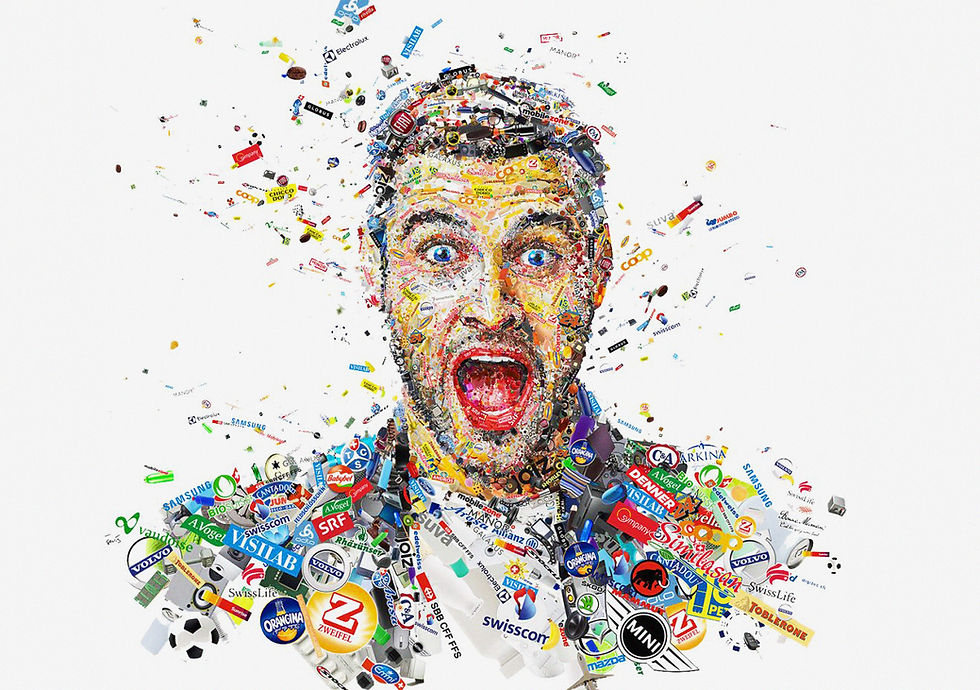
There was a time when brands only had to exist professionally.
A clean logo. Neutral colours. A website that says “innovative solutions” at least four times. Maybe a few aesthetically pleasing Instagram posts with captions that sound like they were written by ChatGPT after three espressos.
That used to work.
Now? People interact with brands the same way they interact with people. Which means consumers instantly pick up on energy, personality, confidence, humour, insecurity, self-awareness, all of it. And honestly, some brands have the conversational charisma of a corporate waiting room.
Because modern branding isn’t just visual anymore. It’s social behaviour.
If your brand walked into a room today, would anyone actually want to spend time with it? Would it feel interesting? Would it have opinions? Would it sound human? Would people remember it after the conversation ended? Or would it just repeat words like “premium”, “innovative”, “sustainable” and “customer-centric” until everyone quietly escaped to the snack table?
The Brands Winning Today Feel Like Actual Personalities
The internet changed the rules. Consumers don’t connect with polished perfection anymore, they connect with personality. Brands today compete less like companies and more like people trying to be the most interesting one at dinner.
Duolingo somehow turned a language-learning app into one of the internet’s most chaotic personalities. Liquid Death made canned water feel culturally relevant. Spotify feels less like a streaming platform and more like that emotionally observant friend who somehow knows exactly what your situationship playlist looks like.
None of these brands became memorable because of product features alone. They became memorable because they had actual personalities.
Consumers Can Instantly Sense When a Brand Is Trying Too Hard
The internet is overflowing with brands that all look like they drink oat milk and use the word “curated” too much. Same beige palettes. Same minimalist fonts. Same captions trying aggressively hard to sound human.
And consumers notice instantly. People can smell forced relatability from a mile away. They know when humour was approved by twelve people on a Zoom call.
The strongest brands don’t try to perform personality, they naturally have one.
Because in today’s attention economy, forgettable brands rarely fail loudly. They just get scrolled past.
And maybe that’s the real shift brands need to understand. Personality has become one of the biggest parts of branding itself. The brands people remember today are the ones that know who they are, sound human consistently and stop trying to communicate like corporate templates pretending to have personalities.


